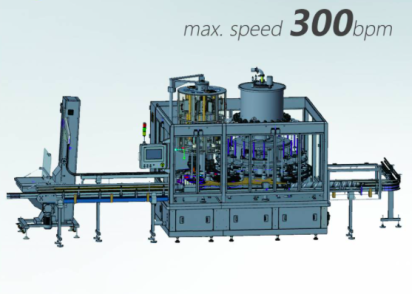
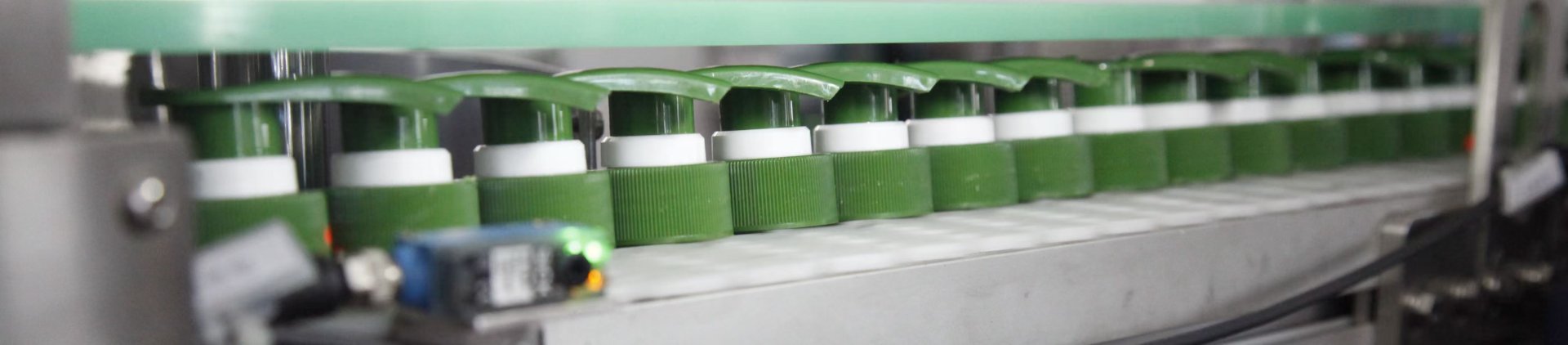
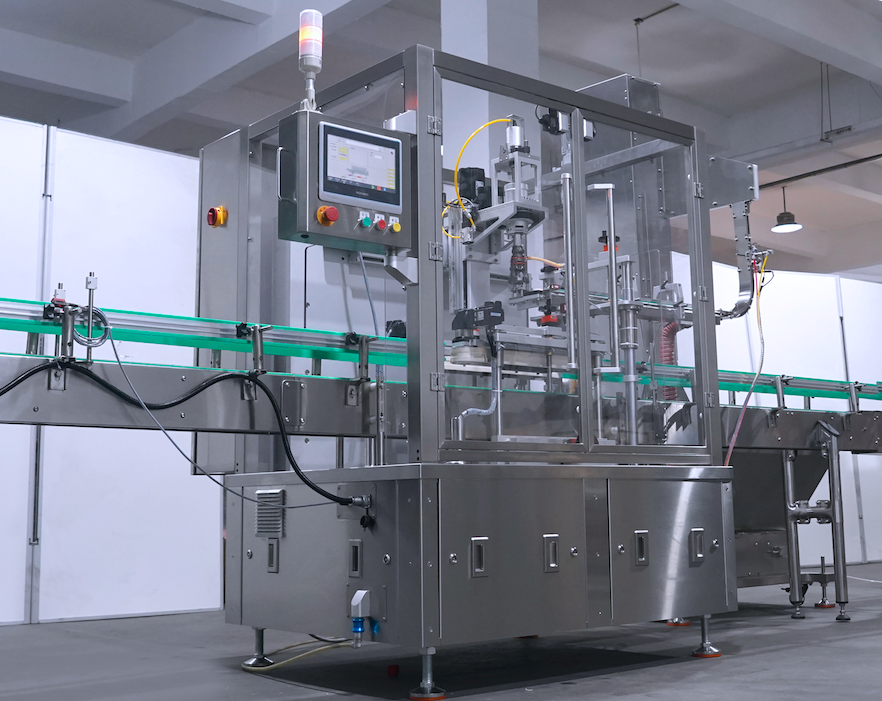
Technical Principles and Core Structure of Automatic Tracing Type Capping Machine(single/ double heads):
The working principle of the tracing-type rotary cap machine is based on the integration of mechanical transmission and servo control technology. Its core structure includes:
Conveying system: Typically employs chain or belt conveyors to transport bottles requiring capping at fixed intervals to the capping station.
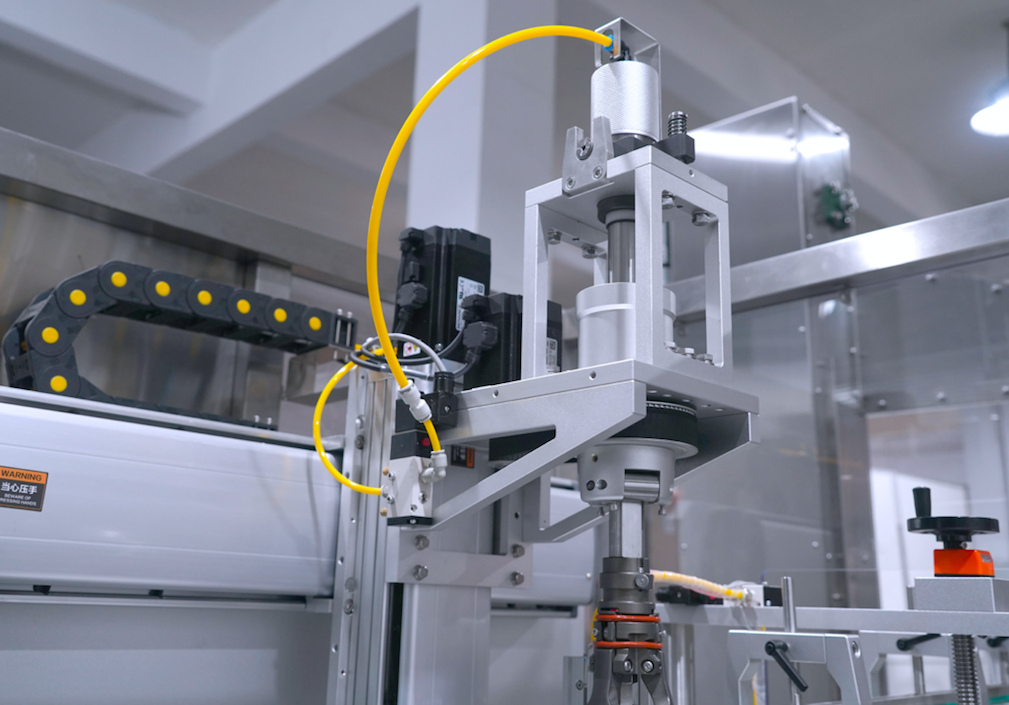
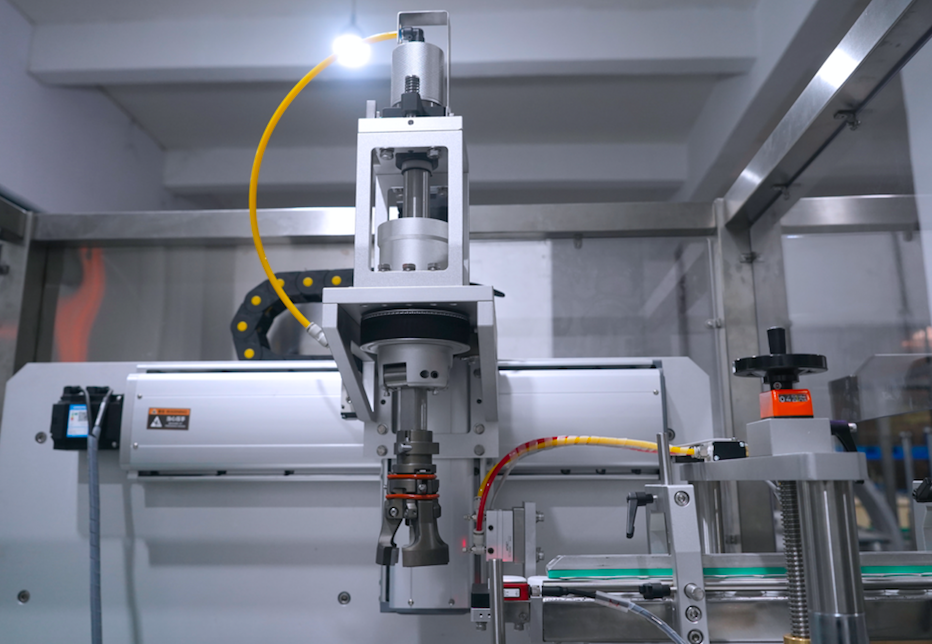
Tracking mechanism: The screw cap head is driven by a servo motor to move forward and backward along the bottle conveying direction, achieving dynamic matching with the bottle speed.
Cap screw mechanism: Controlled by magnetic torque or mechanical torque to ensure uniform tightening force, preventing excessive tightness or looseness.
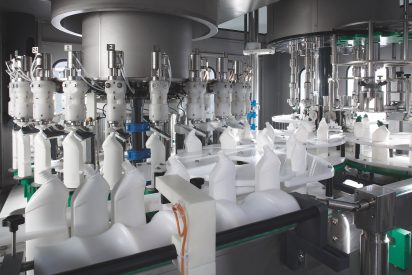
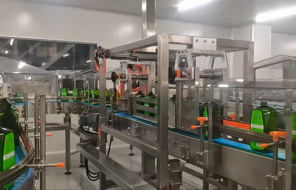
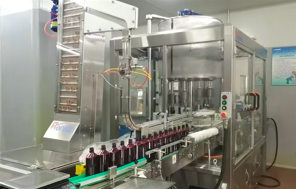
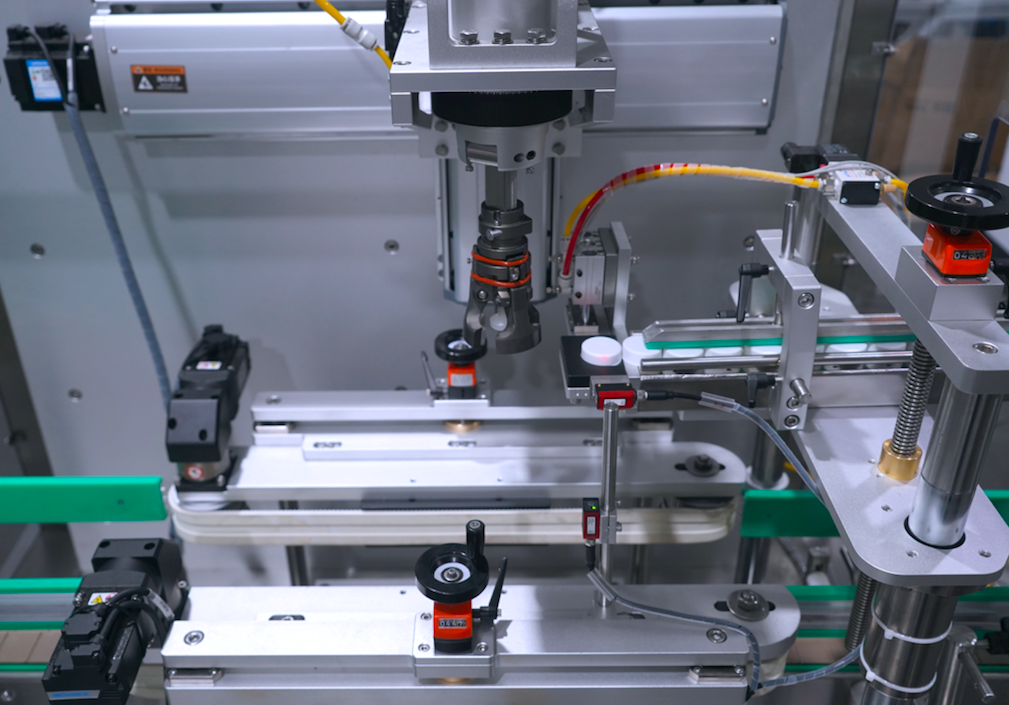
The detailed parts pictures inside of the Automatic Tracing Type Capping Machine(single/ double heads): :
Detection system: Equipped with photoelectric sensors or visual systems to monitor the bottle position and presence of bottle caps in real time, ensuring operational accuracy.
Control system: Controlled by PLC or industrial computer, parameters such as cap rotation speed, torque, and bottle specifications can be set, supporting flexible production for multiple product varieties.
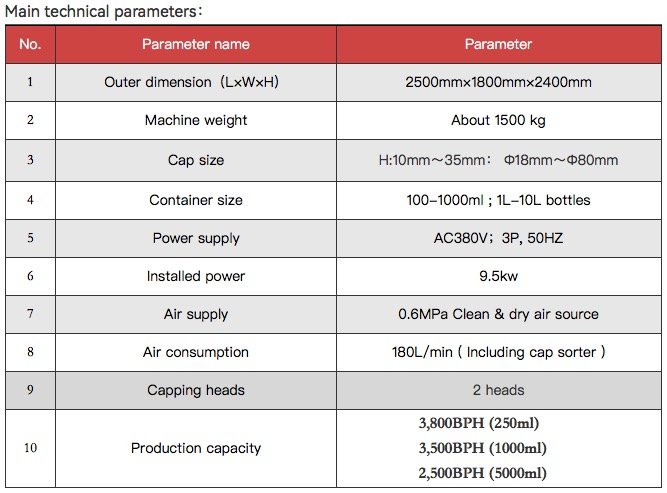
Parameters for Automatic Tracing Type Capping Machine(single/ double heads):
Precautions and Operating Procedures:
Debugging phase: During initial use or bottle type replacement, the height of the screw cap head, tracking speed, and torque parameters must be adjusted through trial operation to ensure no bottle jamming or cap leakage occurs.
Regular maintenance: Clean the conveyor belt and rotary cap daily, inspect the lubrication status of servo motors and transmission chains weekly, and calibrate torque sensors monthly.
Safety Protection: During equipment operation, hands must not be extended into the rotating lid area. Safety grilles or emergency stop buttons must be installed to prevent accidental injuries.
Cap compatibility: Different material caps (e.g., plastic, metal) require matching screw caps to prevent cap slippage or breakage caused by variations in friction coefficients.