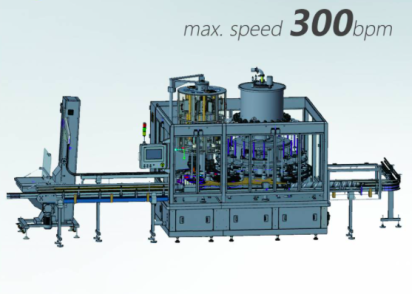
Functions for Linear Filling Machine/Machinery for Liquid Detergent/Jam/Oil/Cream/Paste:
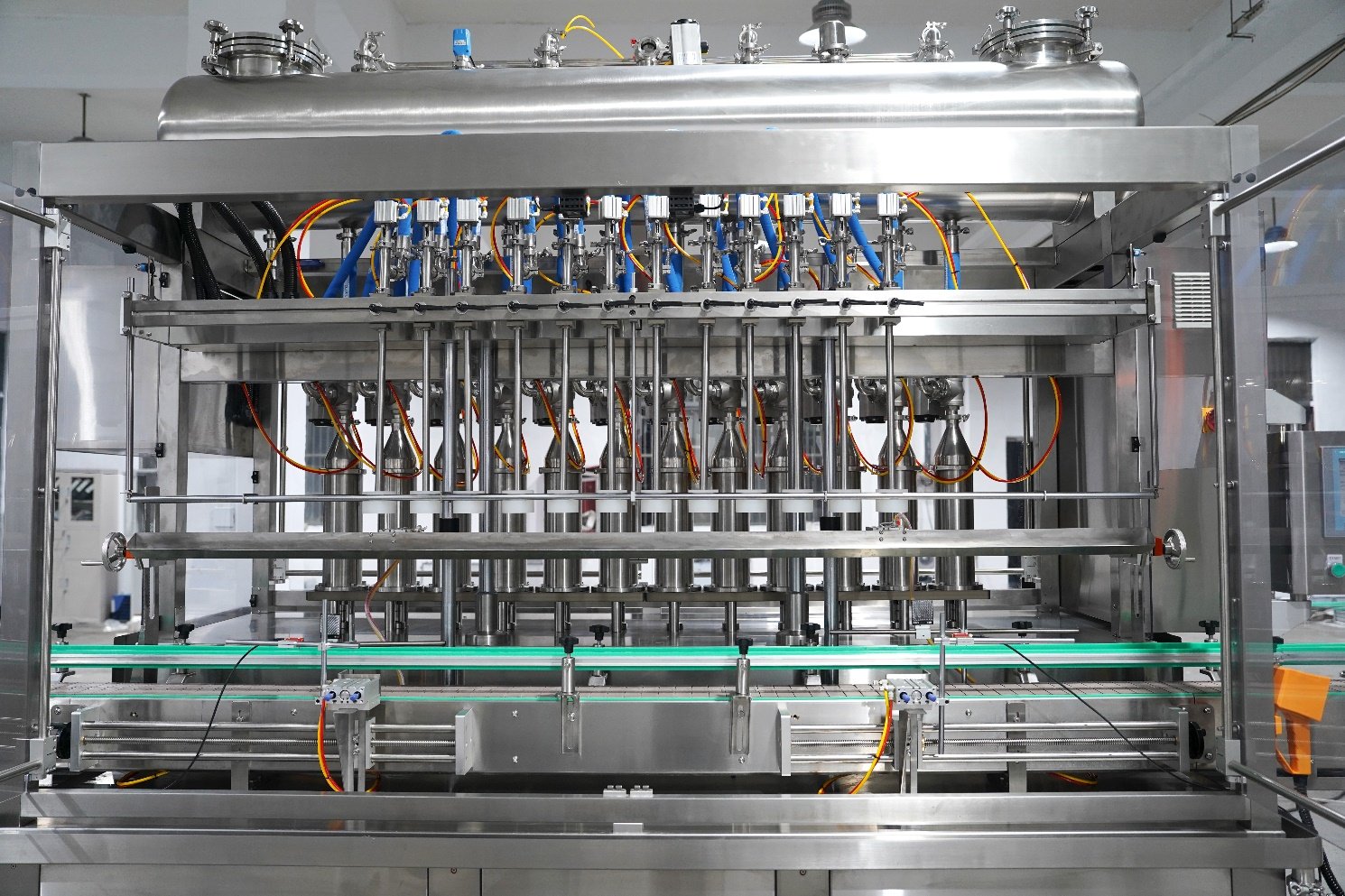
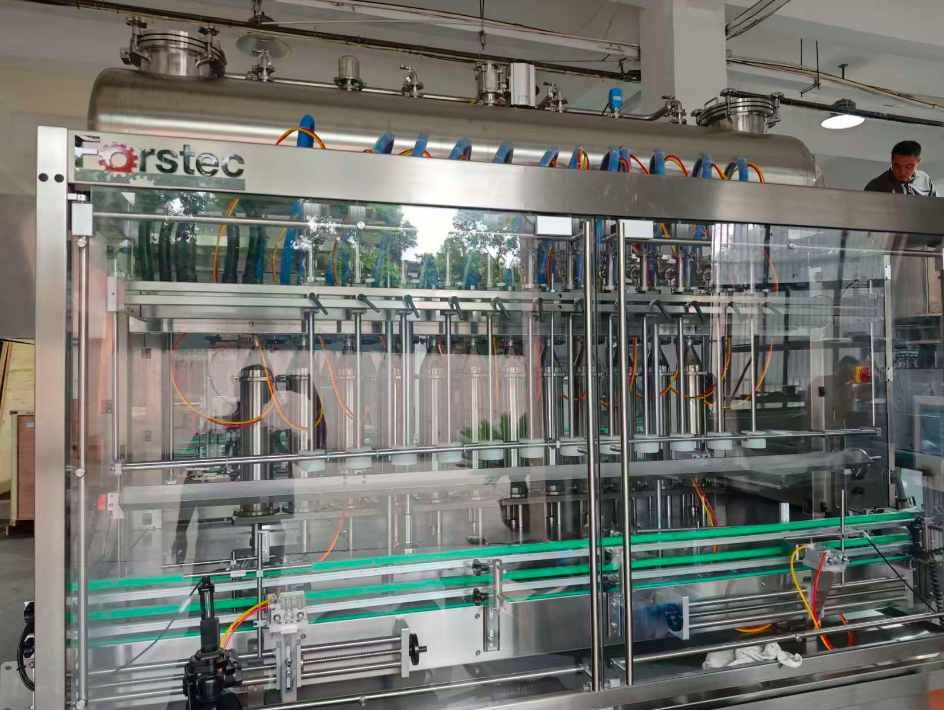
After multiple upgrades, this machine has become the most stable version of piston filling systems. It features precise quantitative filling through piston technology with low failure rates. The motor-driven piston cylinder design eliminates the instability of traditional pneumatic cylinder systems, allowing direct adjustment of overall and single-head metering settings via touchscreen. Compatible with various round, square, and flat containers, it can handle both aqueous solutions and viscous materials during filling processes.
Parameters for Linear Filling Machine/Machinery for Liquid Detergent/Jam/Oil/Cream/Paste:
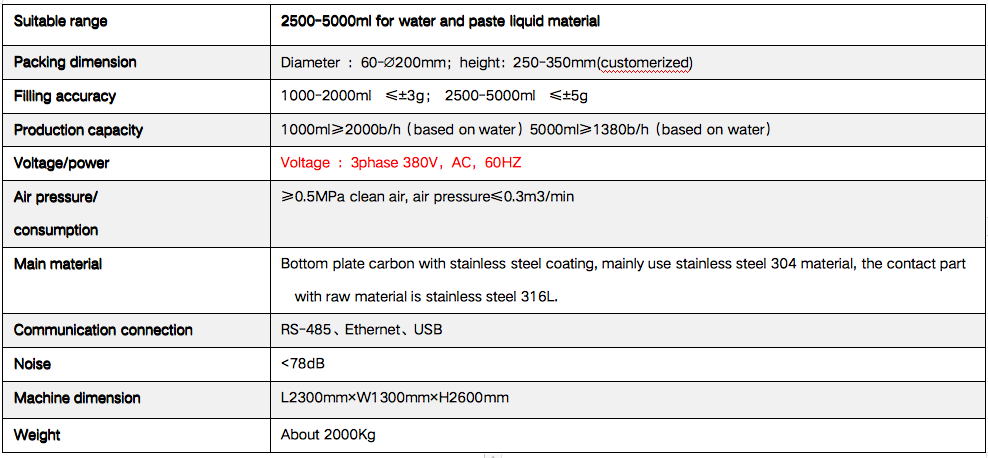
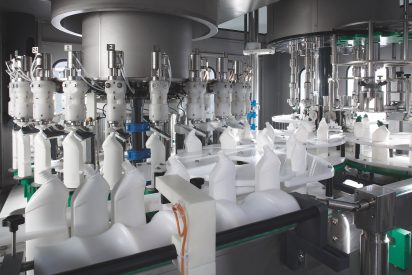
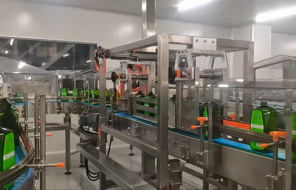
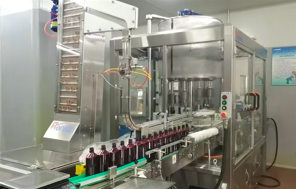
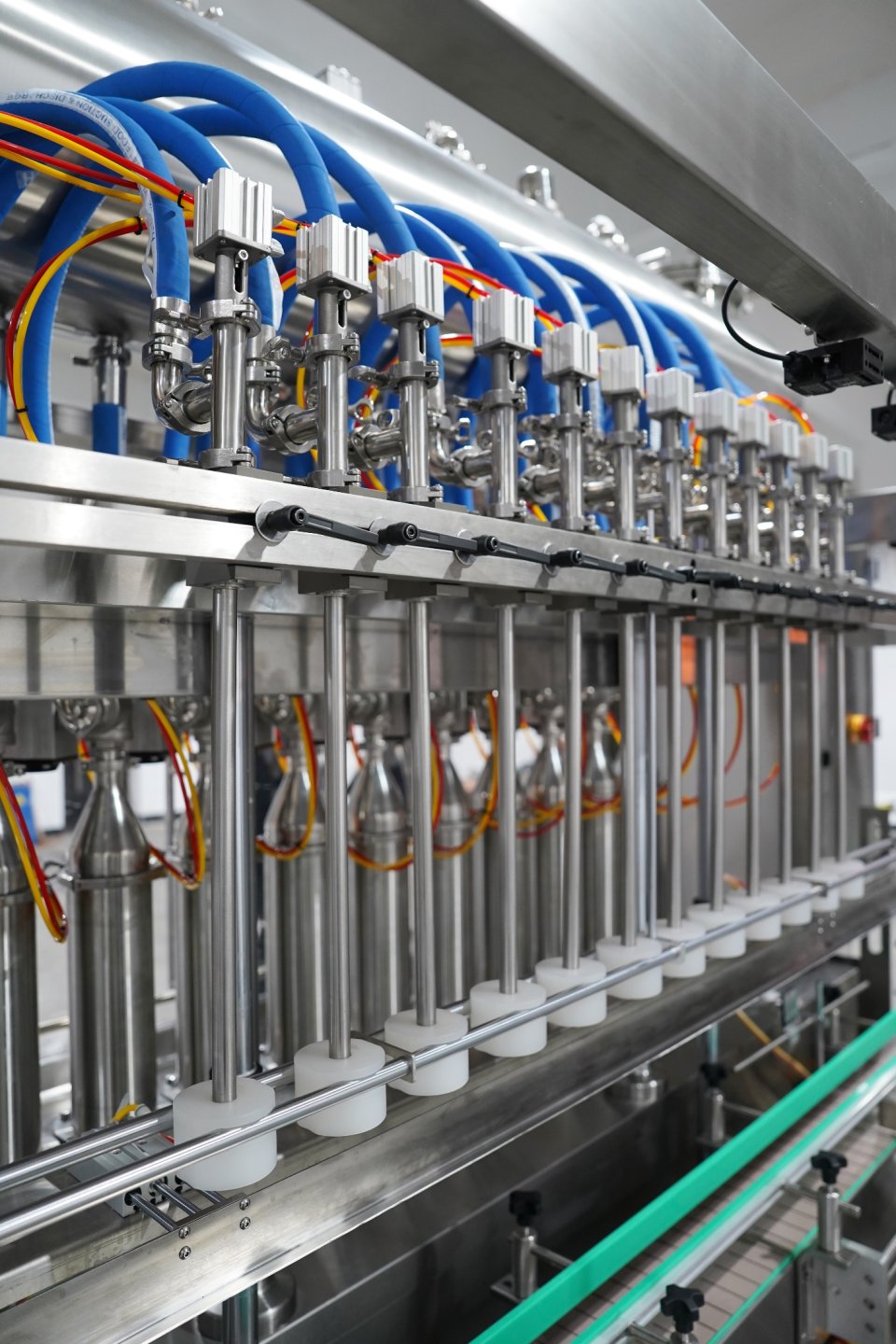
Important parts pictures for this Linear Filling Machine/Machinery for Liquid Detergent/Jam/Oil/Cream/Paste:
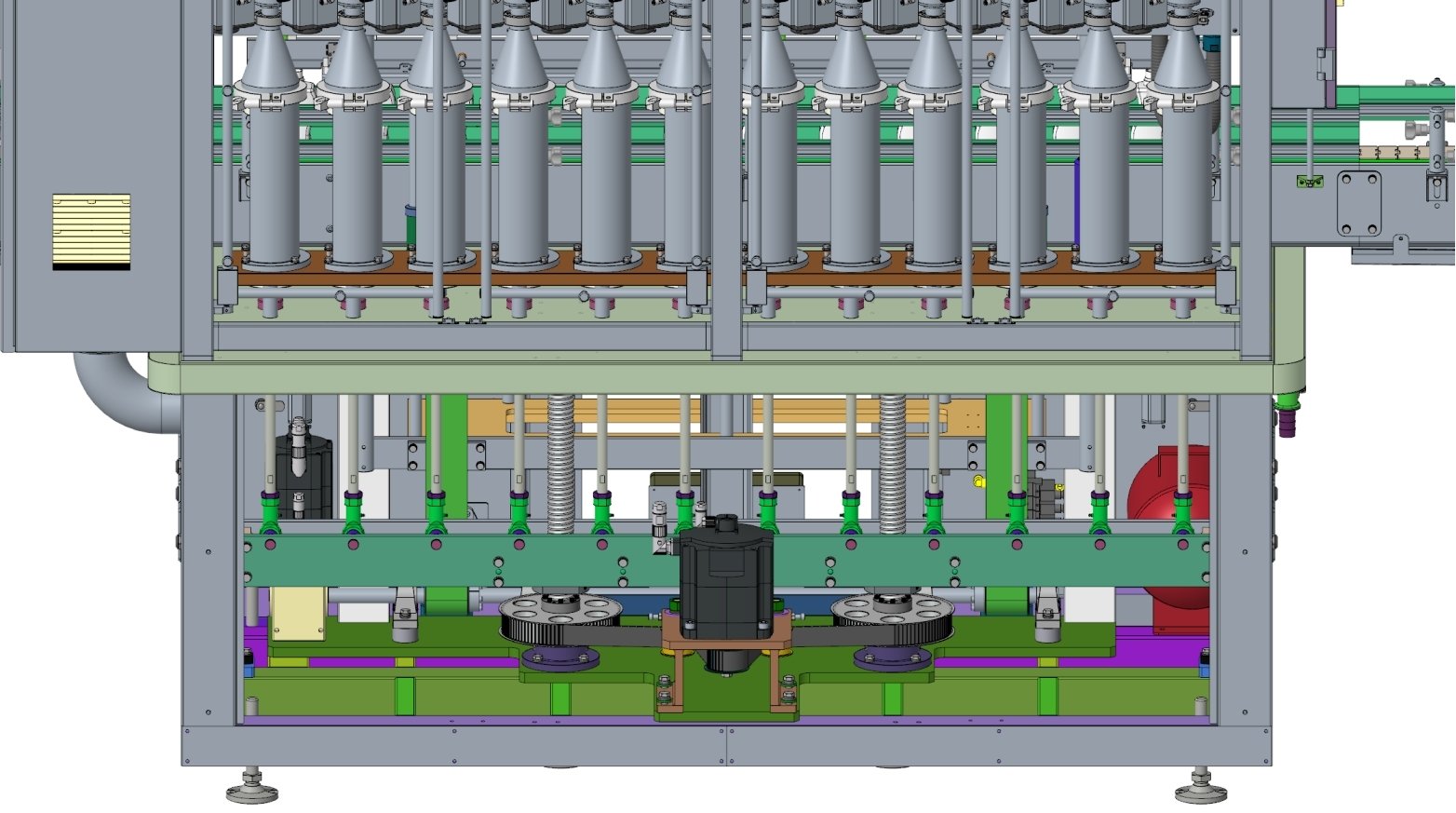
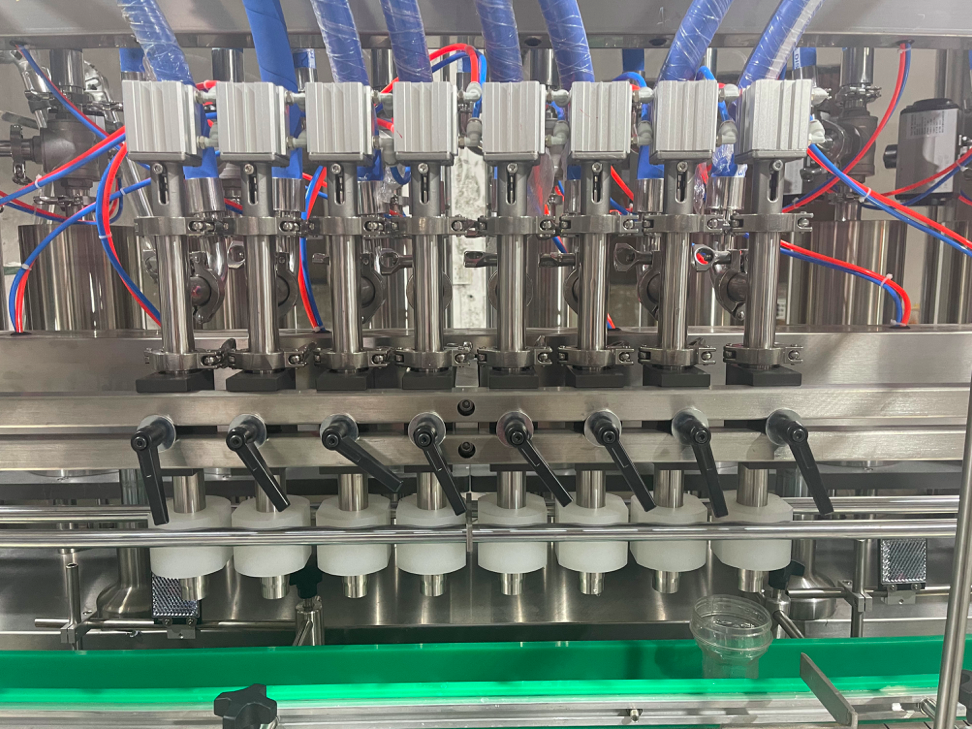
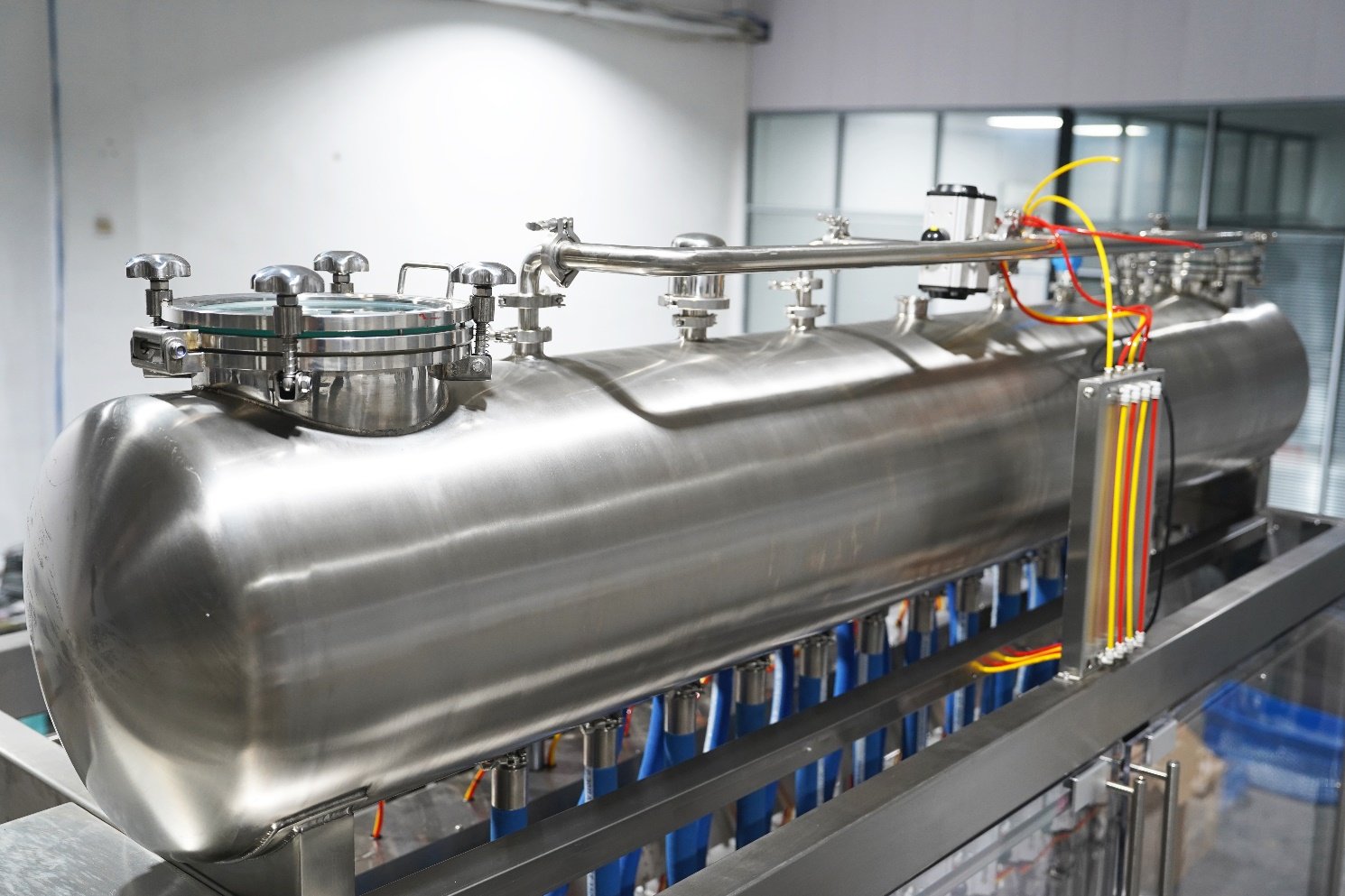
The advantages for this Linear Filling Machine/Machinery for Liquid Detergent/Jam/Oil/Cream/Paste:
1. Comprehensive metering settings and single-head fine-tuning functions can be performed on the touchscreen.
2. Due to manufacturing tolerances in piston cylinders during actual production, the metering output varies for identical piston strokes.
3. This machine employs a single motor to drive all piston rods for simultaneous lifting and lowering.
4. For instance, when configuring the pulse setting on a touchscreen to 800P, this means that when the lifting beam reaches a cumulative position of 800P, all three-way valves switch positions, the filling motor reverses direction, and the beam is returned to its starting point. All piston cylinders execute identical stroke lengths, though the first filling nozzle may measure 800ml while the second nozzle measures 805ml (an additional 5ml). In such scenarios, fine-tuning of the second filling nozzle becomes necessary by setting its pulse to 795P. During subsequent filling cycles, when the beam reaches 795P, the three-way valve of the second nozzle switches. As the beam continues ascending to 800P, the three-way valve of the first nozzle activates. This sequential process repeats until all filling nozzles reach their maximum pulse values, after which the filling motor reverses direction and returns to the starting position.