
Introduction for Rotary Capping Machine & High-Speed Capping Machine:
In modern packaging lines, capping is often the bottleneck. A filling machine can run at 200 bottles per minute, but if the capper cannot keep up, the entire line slows down. This is where rotary capping machines and high-speed capping machines become essential.
Unlike inline cappers that stop and start for each bottle, rotary cappers use a continuously rotating turret to apply caps simultaneously on multiple bottles. This design delivers unmatched speed, consistency, and reliability.
This article covers detailed product descriptions, key advantages, and why building a dedicated website for these machines gives you a competitive edge in Google, LinkedIn, and Twitter search results.
Section 1 – Product Description: Rotary Capping Machine
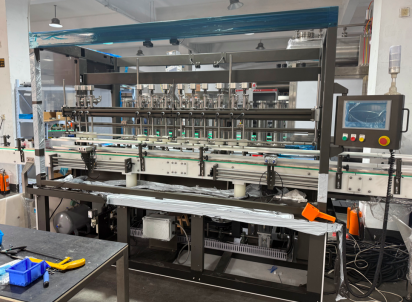
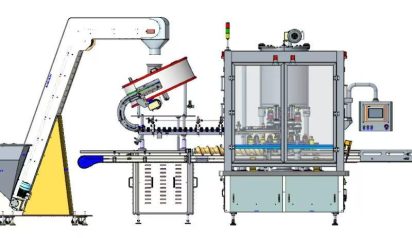
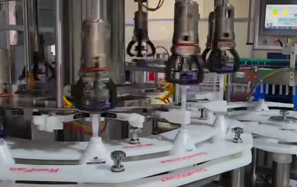
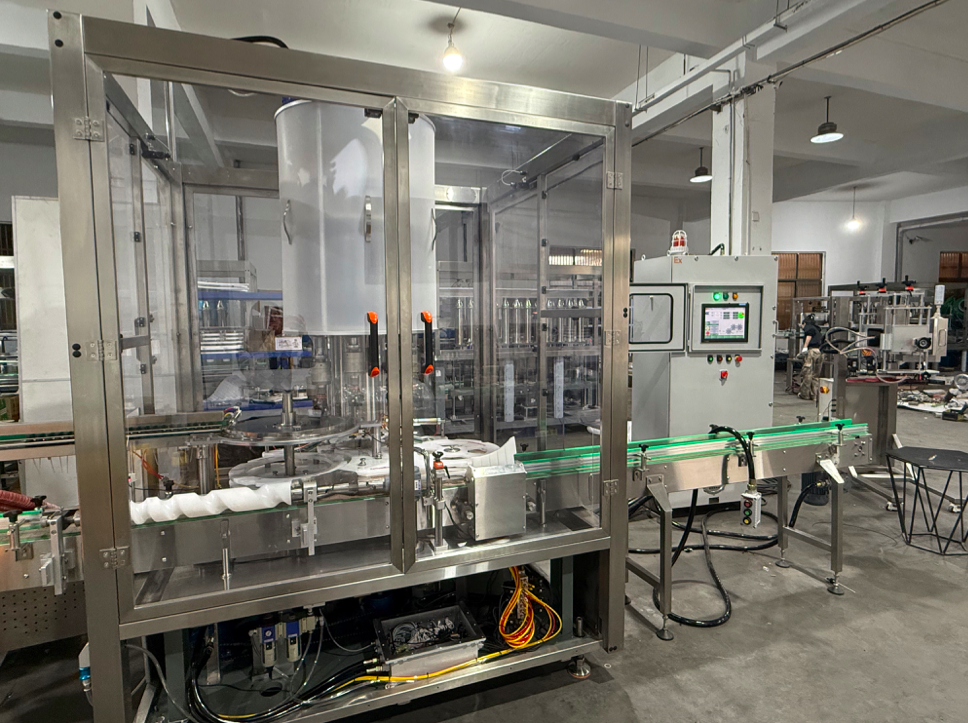
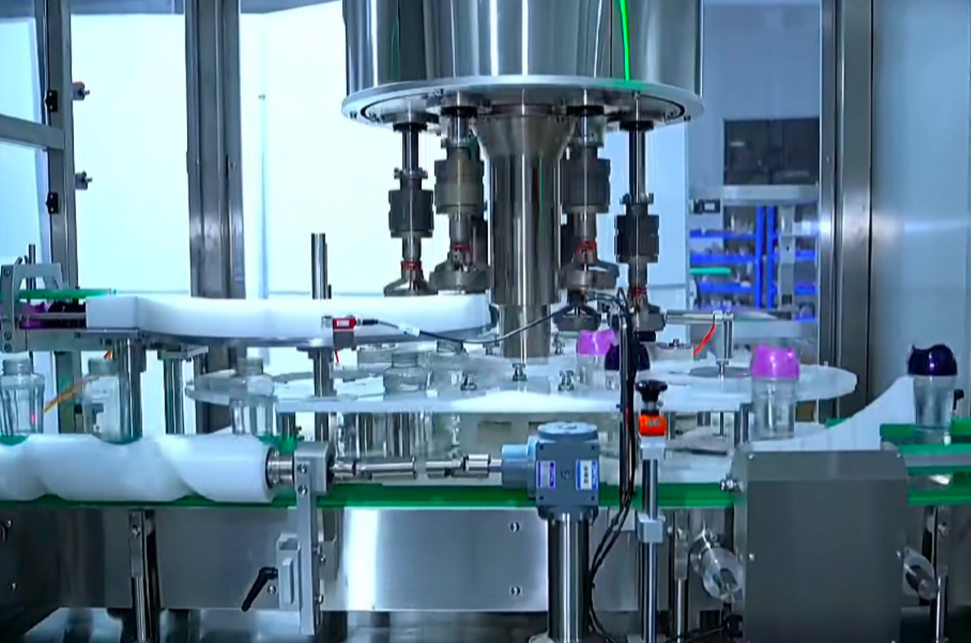
A rotary capping machine uses a rotating turret with multiple capping heads. Bottles enter the turret via a star wheel, receive caps from a cap sorting system (vibratory bowl or elevator), and are tightened as the turret rotates continuously. This design allows for non-stop operation, eliminating the start-stop delays of linear cappers.
Key features include:
-
Capping heads: 4, 6, 8, 10, 12, 16, 20, 24 (customizable)
-
Speed: 60 – 600 bottles per minute (depending on head count)
-
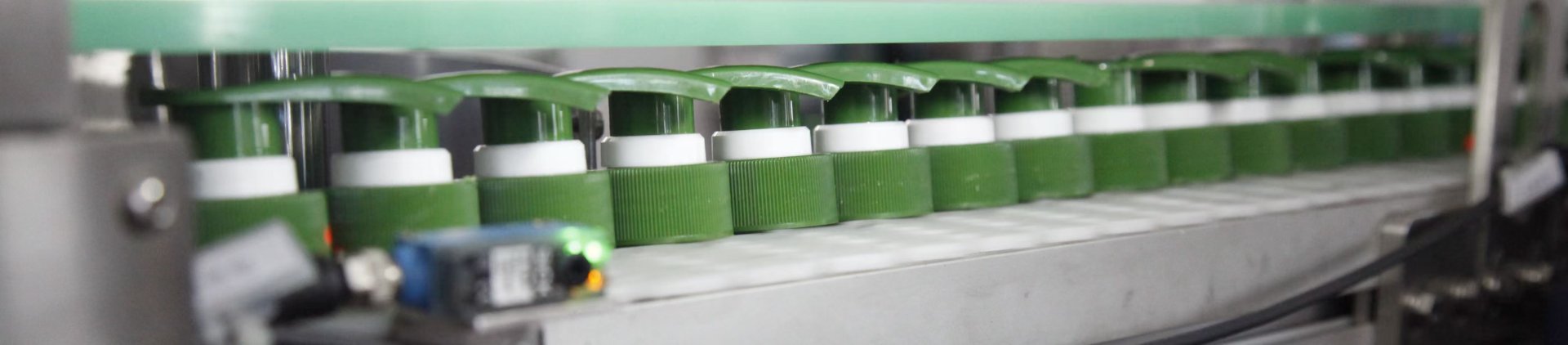
Cap types: screw caps, pump caps, gun caps (trigger sprayers), flip-top caps, child-resistant caps
-
Cap diameter range: 10mm – 120mm (customizable)
-
Torque control: servo-driven or magnetic clutch
-
Bottle shapes: round, square, oval, flat, irregular
-
Material: stainless steel 304 (food/pharma grade)
-
Orientation system: available for pump caps and trigger sprayers
Common applications: daily chemical (detergent, shampoo, lotion), pharmaceutical (bottles, vials), food (sauces, oils, beverages), cosmetics.
Section 2 – Product Description: High-Speed Capping Machine
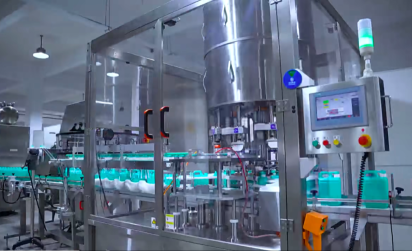
A high-speed capping machine is a rotary capper optimized for maximum output. These machines are designed for production lines that require 200+ bottles per minute. They feature servo-driven torque control, automatic cap feeding, and rejection systems for improperly capped bottles.
Key features specific to high-speed models:
-
Speed: 200 – 600 bottles per minute
-
Servo-driven capping heads for precise torque
-
Automatic cap orientation for pump caps and trigger sprayers
-
Online torque monitoring and data logging
-
Rejection system for missing or cross-threaded caps
-
Quick-change change parts for different cap sizes
-
Touchscreen HMI with recipe storage
Common applications: high-volume daily chemical lines (dish soap, laundry detergent), beverage lines, pharmaceutical mass production.
Section 3 – Product Advantages: Rotary & High-Speed Capping Machines
Advantages of Rotary Capping Machine
-
Continuous operation – no start-stop delays, higher overall efficiency
-
High speed – 60–600 bottles per minute, ideal for mass production
-
Consistent torque – every cap is tightened to the same specification
-
Low rejection rate – precise cap placement and tightening
-
Versatile – handles screw caps, pump caps, trigger sprayers, flip-tops
-
Stainless steel construction – corrosion-resistant, easy to clean
-
Compact design – high output in a relatively small footprint
-
Easy integration – works with fillers, labelers, and conveyors
Advantages of High-Speed Capping Machine
-
Ultra-high speed – up to 600 bottles per minute
-
Servo torque control – ±1% torque accuracy, critical for pharmaceutical and premium products
-
Data logging – track torque values for quality assurance
-
Automatic rejection – removes improperly capped bottles without stopping the line
-
Quick changeover – under 30 minutes for different cap sizes
-
Cap orientation – essential for pump caps and trigger sprayers
-
24/7 operation – built for continuous, high-duty cycles
Section 4 – Website Advantages: Why Build a Dedicated Site for These Machines
Building a dedicated website for your rotary capping machine and high-speed capping machineoffers significant business advantages.
1. Better Google Rankings with Long-Tail Keywords
A focused website allows you to target specific long-tail keywords like “rotary high-speed capping machine for plastic bottles” or “servo-driven high-speed rotary capping machine”. General multi-product sites dilute your SEO authority.
2. Detailed Product Pages That Convert
Buyers need technical specifications, videos, CAD drawings, and case studies. A dedicated site gives you space to publish all of this without clutter.
3. Build Trust on LinkedIn & Twitter
On LinkedIn, plant managers and production directors search for reliable capping equipment. A dedicated URL for your high-speed capping machine can be shared in posts and articles.
On Twitter (X) , short links to specific product pages perform better than homepage links. Use hashtags like #RotaryCappingMachine and #HighSpeedCapper.
4. Lead Generation Optimization
Place inquiry forms, WhatsApp buttons, and downloadable brochures directly next to machine specs. Add customer reviews for each machine type.
5. Better Ad Performance
When running Google Ads or LinkedIn Ads, a dedicated landing page improves Quality Score and lowers cost per click. Retargeting pixels work more effectively on focused pages.
6. Long-Term Brand Authority
Publish regular content: torque setting guides, changeover video tutorials, maintenance schedules, and comparison charts between rotary vs. inline cappers.
Section 5 – Conclusion
Whether you need a rotary capping machine for versatile, high-volume capping or a high-speed capping machine for ultra-fast production lines (200–600 BPM), having the right equipment is only half the battle. The other half is being found by buyers online.
A dedicated website targeting long-tail keywords like “rotary high-speed capping machine for daily chemical plant” and “servo-driven high-speed rotary capping machine” will consistently generate qualified B2B leads from Google, LinkedIn, and Twitter.
Invest in both the machinery and your digital presence. Your next big order depends on it.