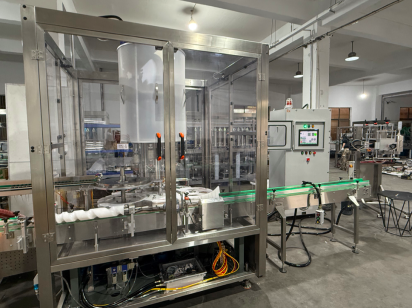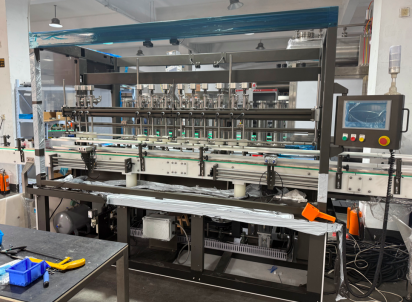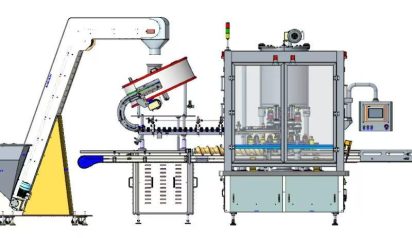
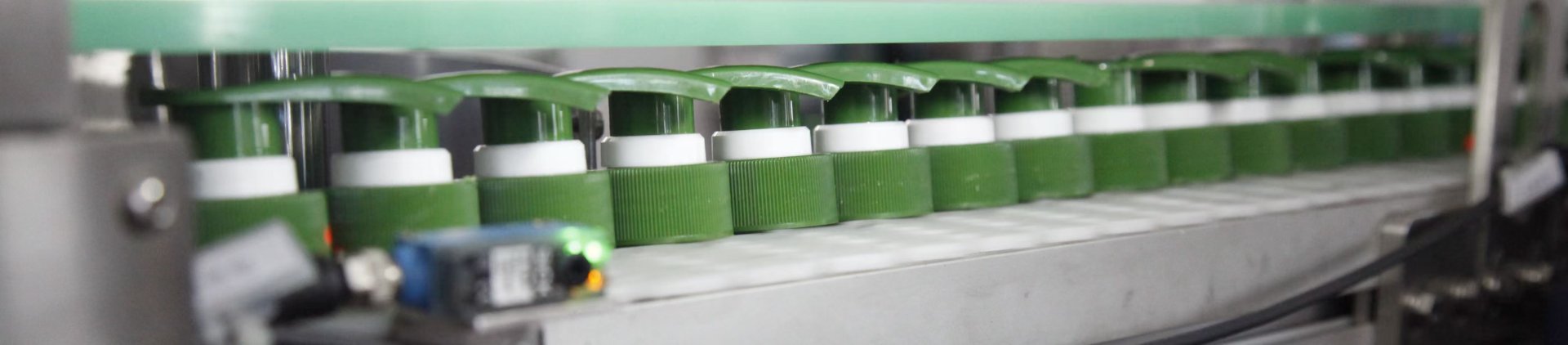
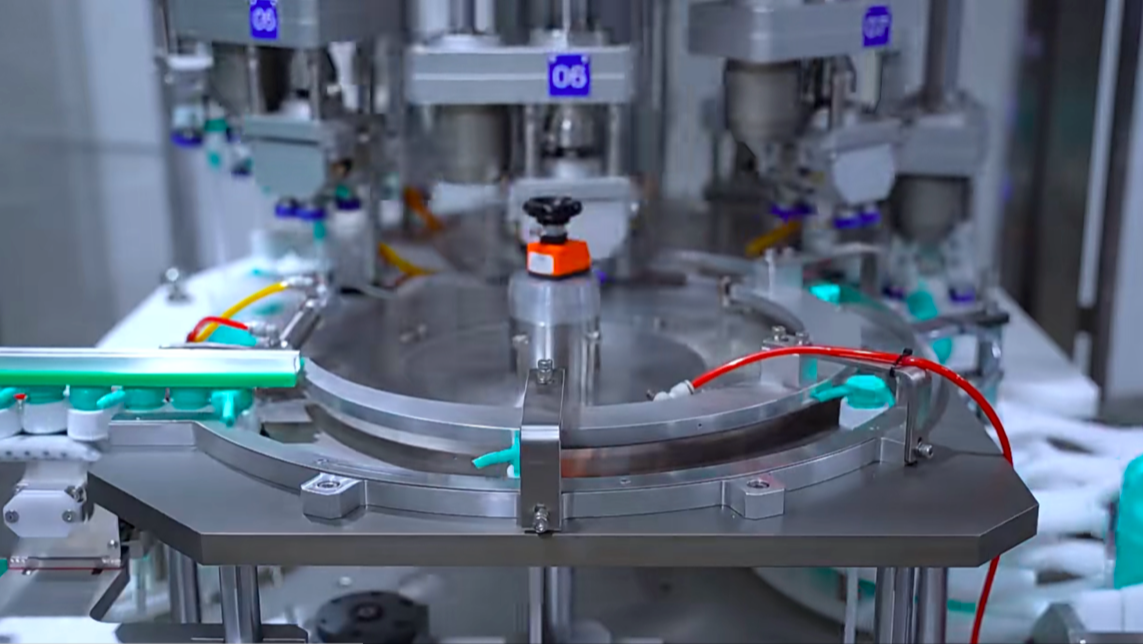
The features for High Speed Pump Cap Rotary Capping Machinery Production Line:
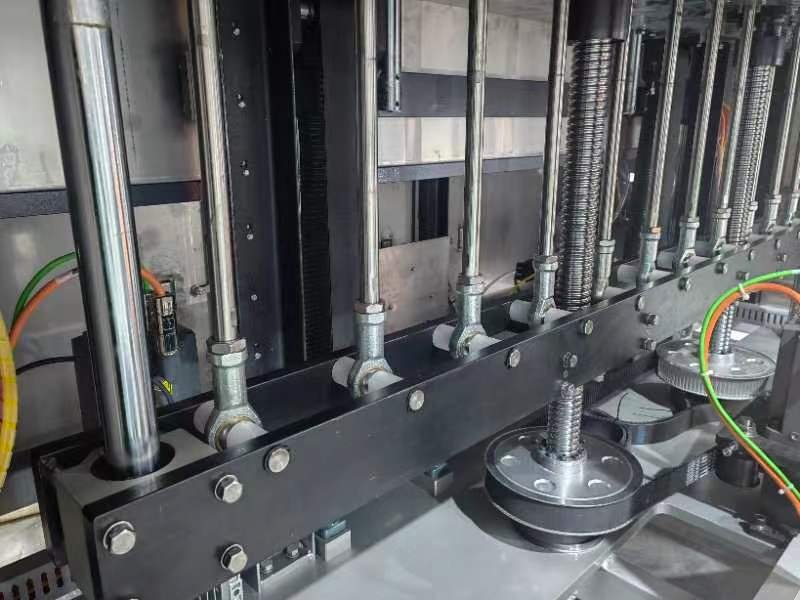
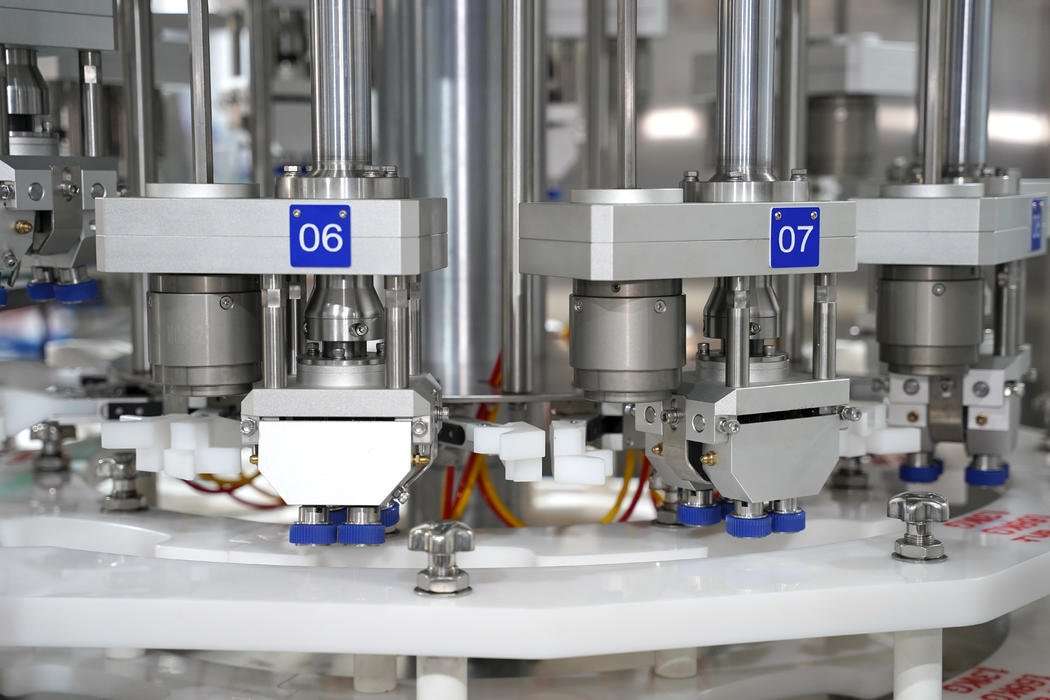
The High Speed Pump Cap Rotary Capping Machinery Production Line equipment features a stainless steel 304 body constructed to GMP standards, employing PLC control and variable frequency stepless speed regulation for main motor drive with intelligent electronic torque control. The upper lid section utilizes a stepped lifting belt system for efficient, low-noise lid supply, incorporating automated lid handling functions including automatic lid positioning, lifting, and repositioning. The lid rotation mechanism employs magnetic rotary heads combined with magnetic torque adjustment technology to ensure lid rotation accuracy while minimizing noise. Equipped with an integrated automatic rejection system that detects and removes defective products lacking lids, aluminum foil, or properly rotated lids, the device also offers optional bottle cap air cleaning units for impurity removal. Through modular design integration of lid separation, locking, and inspection functions with automatic shutdown upon malfunction detection, the system ensures enhanced operational safety suitable for both standalone and assembly-line production applications.
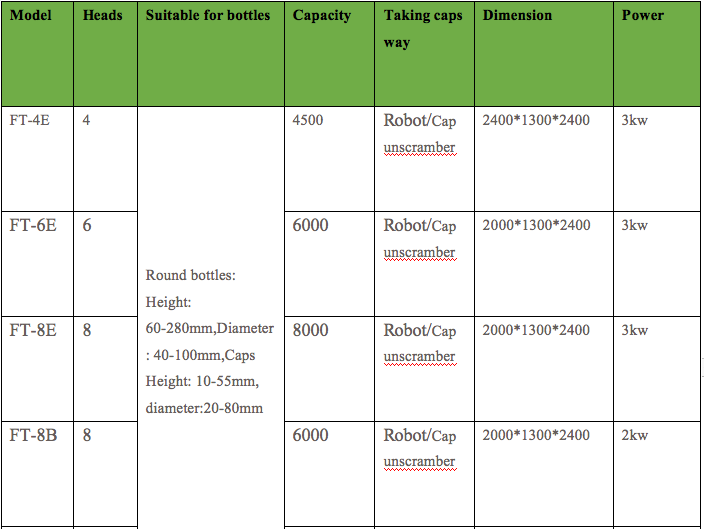
Technical parameters for High Speed Pump Cap Rotary Capping Machinery Production Line:
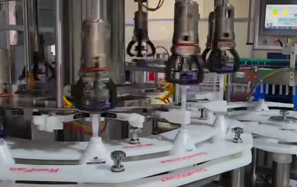
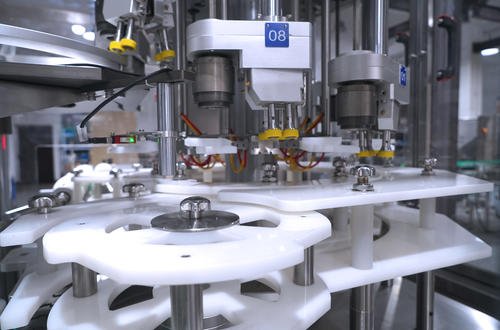
Detailed pictures for High Speed Pump Cap Rotary Capping Machinery Production Line:
Advantages for this High Speed Pump Cap Rotary Capping Machinery Production Line:
The control system coordinates mechanical action sequences through PLC programming :
Feeding stage: Open the one-way solenoid valve, and the cylinder retracts to create negative pressure for material suction.
Filling stage: The solenoid valve switches channels, and the cylinder pushes the piston to discharge material.
Submersible mechanism: Electric telescopic rod drives the filling head to insert into the container at a specified depth
Flow control: The flow valve adjusts the output in real-time based on preset values [3][6]
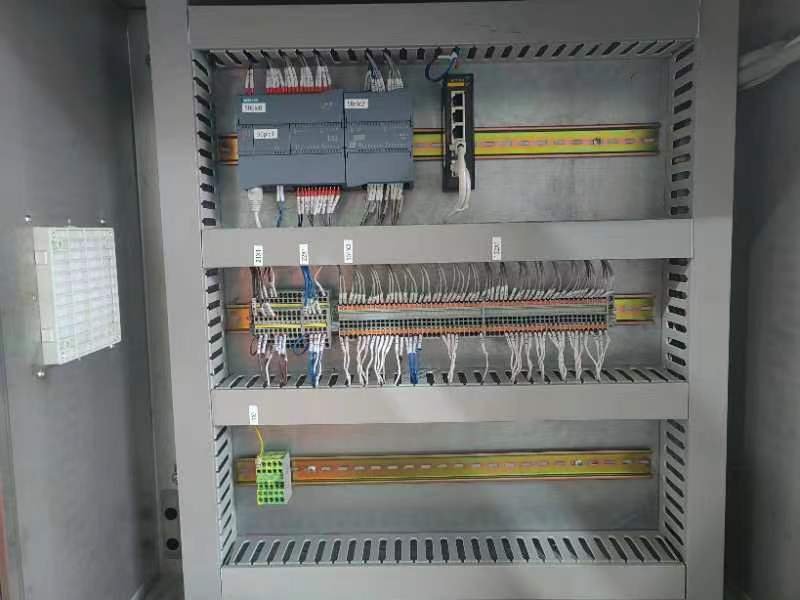
Key control components include PLC controllers, photoelectric sensors, and air switches. The control system is typically equipped with a touchscreen human-machine interface (HMI) for parameter configuration, status monitoring, and operational control. By 2025, new equipment will adopt servo motor drives, with filling precision varying depending on material type and capacity.