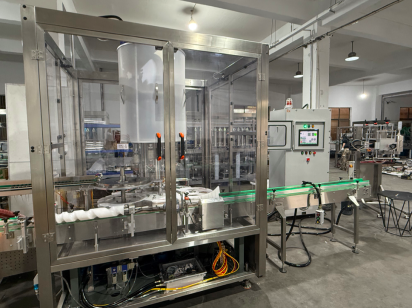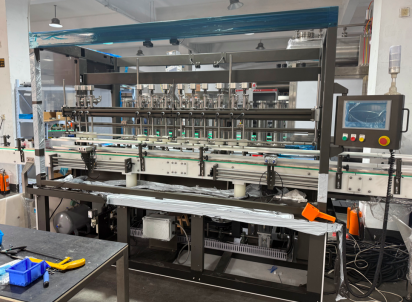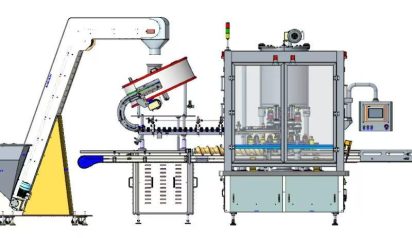
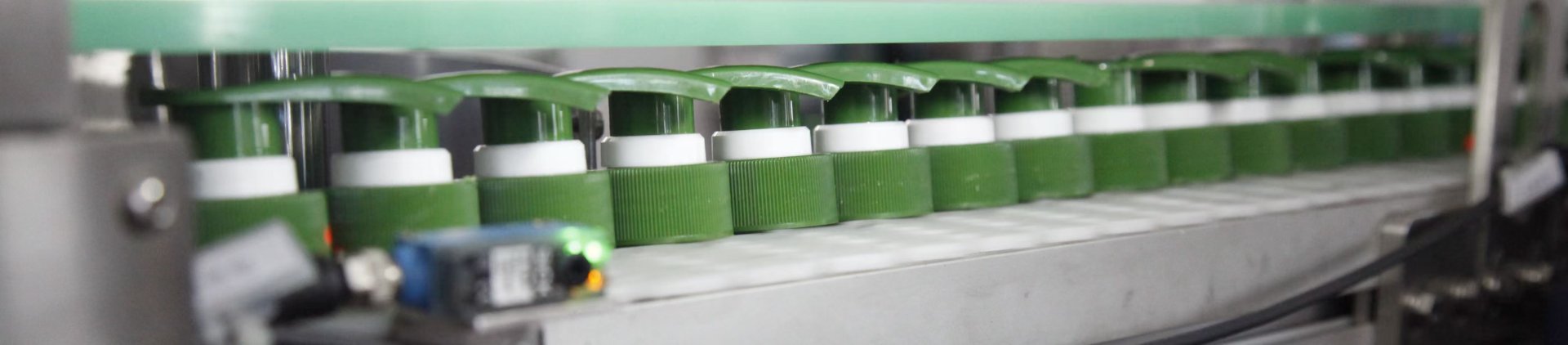
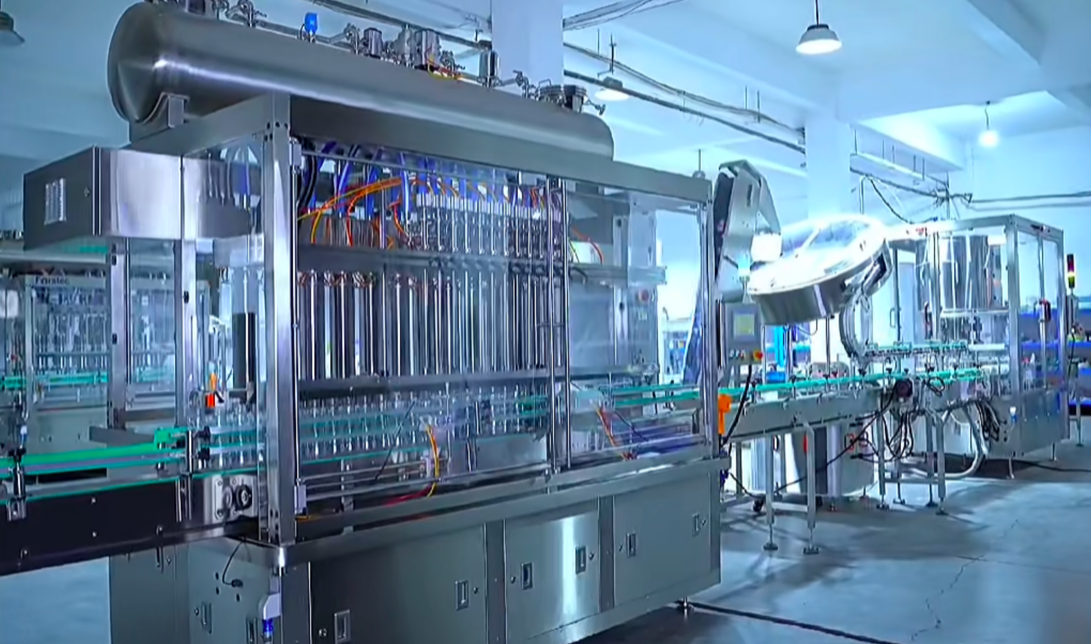
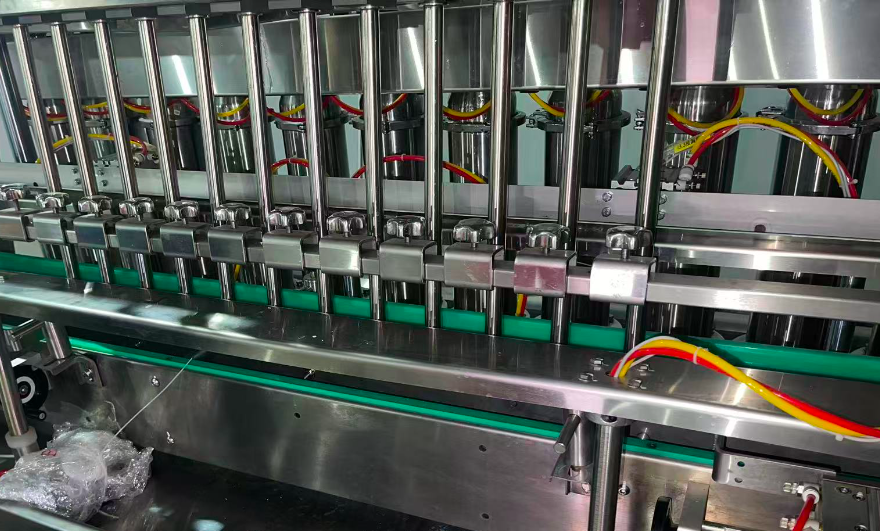
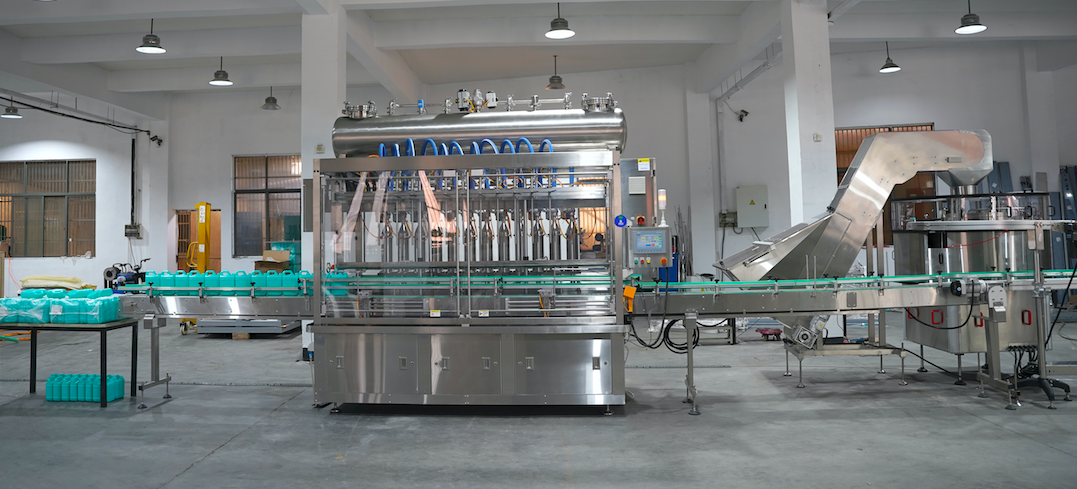
Basic information for this Paste Jam/Tomato Jam Filling and Cap Capping/Pressing Machine:
Paste Jam/Tomato Jam Filling and Cap Capping/Pressing Machine uses compressed air as the power source, this automated filling system consists of precision pneumatic components. It features a simple structure, responsive and reliable operation, and easy adjustment, making it suitable for various liquids and viscous fluids. The filling machine integrates material lifting, rapid stirring, and quantitative filling into a single automated unit.
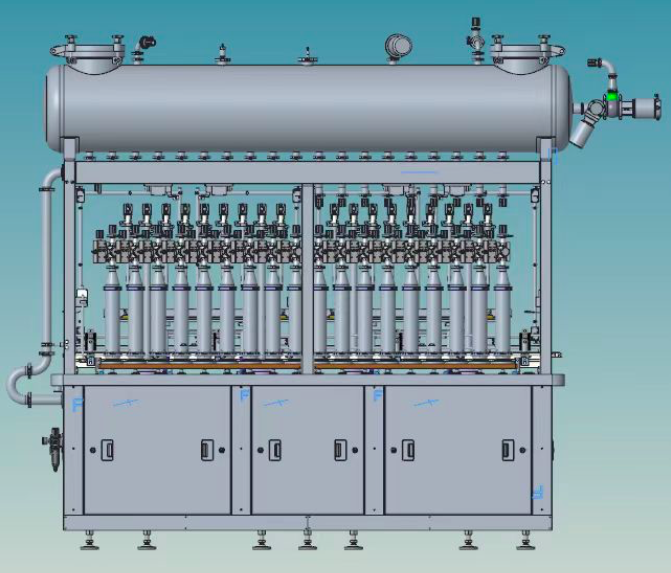
Features for this Paste Jam/Tomato Jam Filling and Cap Capping/Pressing Machine:
The Paste Jam/Tomato Jam Filling and Cap Capping/Pressing Machine features compact and rational design, simple and aesthetically pleasing appearance, and convenient filling capacity adjustment. The device is easy to adjust, requires no bottle or can filling, ensures accurate filling volume with counting function, and demonstrates strong compatibility, supporting 3-5 bottle types without accessory replacement. Key components utilize brands such as Siemens (Germany), Taiwan, China’s Yadeke, and Schneider (France). It incorporates automatic photoelectric detection, bottle filling when available, and non-filling when bottles are absent or insufficient, achieving high intelligence.
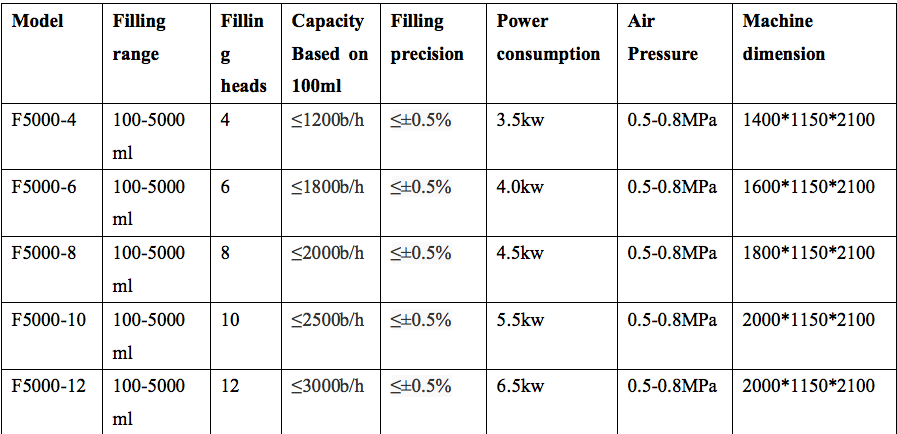
Parameters for this Paste Jam/Tomato Jam Filling and Cap Capping/Pressing Machine:
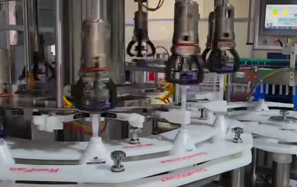
Machine feature details for this Paste Jam/Tomato Jam Filling and Cap Capping/Pressing Machine:
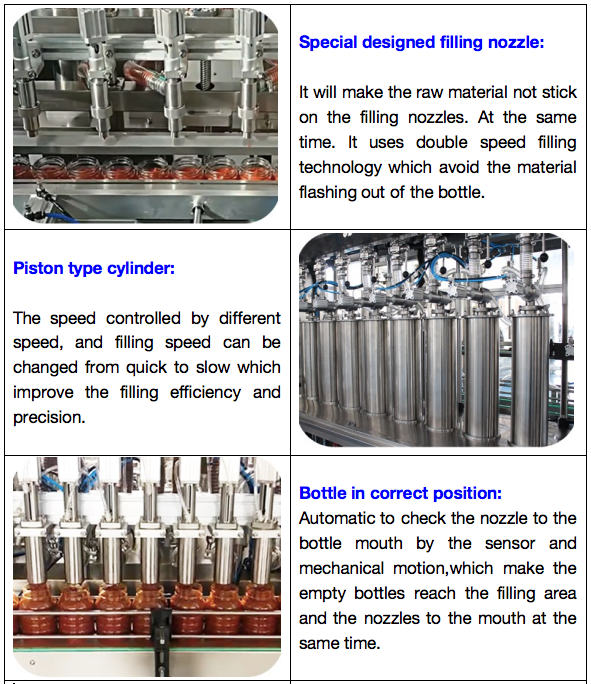
Advantages for this Paste Jam/Tomato Jam Filling and Cap Capping/Pressing Machine:
The equipment employs volumetric piston pumps, 316 stainless steel screw pumps, or pneumatic piston pumps for filling operations, achieving filling accuracy of ≤±1.5%. Equipped with PLC control systems or dual-CPU microcomputer control systems, it enables variable frequency speed regulation and automated operation, with filling parameters adjustable via touchscreen. Features include bottle rejection functionality, automatic counting capabilities, and a bottle position correction device. Filling volume adjustment utilizes eccentric cam mechanisms. Some models incorporate vacuum systems to minimize material leakage. The filling head adopts rotary valve piston pump design to reduce wire pulling and dripping. Optional CIP automatic cleaning systems can be installed as required. Hoppers feature double-layer insulation design with integrated mixing devices. With packaging capacity exceeding 1.5 tons per hour, the system performs automated filling and sealing at temperatures above 85°C. Control systems utilize Mitsubishi PLC programming, conveying pipelines employ 316 mirror-coated pipes, and feeding pumps are available in both imported and domestically manufactured 316 stainless steel options.